crm for lead conversion optimization: boost sales
Learn crm for lead conversion optimization to improve sales. Effective strategies and tips to boost conversions. Start now.

Rasmus Rowbotham
Founder of Foundbase and experienced entrepreneur with over 10 years of experience in building and scaling businesses.
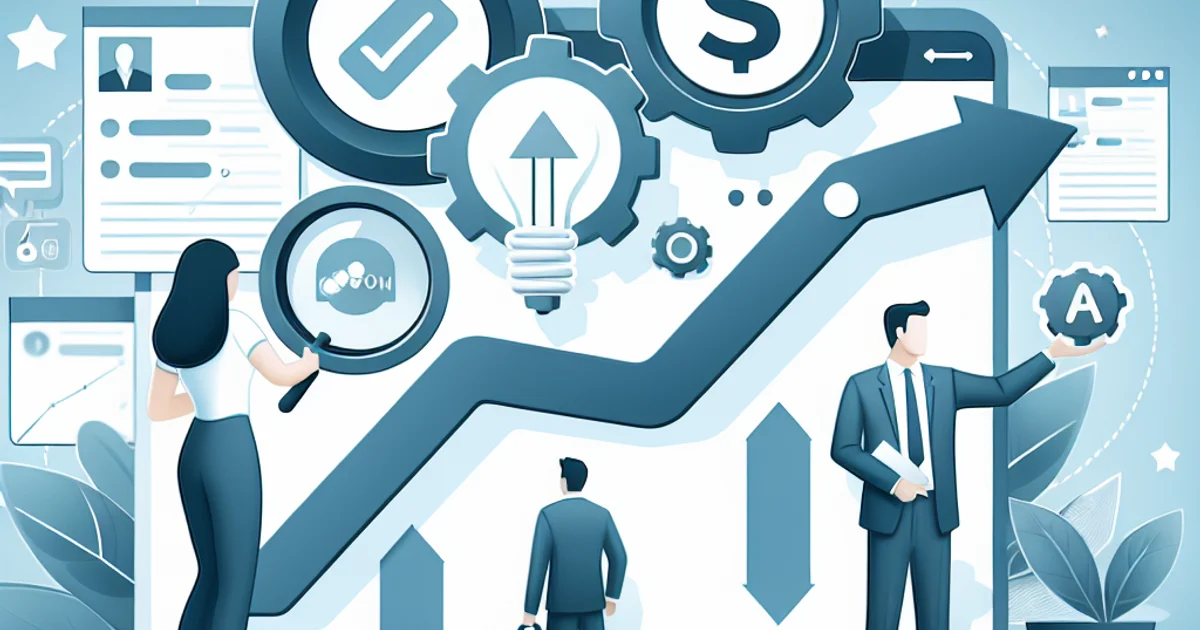
Optimizing lead conversion with CRM: A practical guide for startups
For startups and small teams, maximizing lead conversion rates is crucial for growth and sustainability. With limited resources and time, every lead counts, and effectively managing these leads can be the difference between success and failure. This guide focuses on how to leverage CRM systems specifically for lead conversion optimization, providing practical steps, scenarios, and insights tailored to the unique needs of entrepreneurs and small businesses.
The practical framework: Steps to optimize lead conversion
Optimizing lead conversion with a CRM involves a strategic approach that integrates technology and sales processes. Here’s a step-by-step framework:
1. Define your lead stages
Understanding your sales funnel is key. Clearly define each stage a lead goes through from initial contact to closing. This clarity helps in tracking and managing leads effectively.
2. Integrate lead scoring
Implement a lead scoring system to prioritize leads based on their likelihood to convert. This involves assigning points based on engagement, demographic information, and behavior.
3. Automate follow-ups
Set up automated email sequences for nurturing leads. Automation ensures timely communication and keeps leads engaged without manual intervention.
4. Personalize communication
Use CRM data to tailor your messages. Personalized communication increases engagement and improves conversion rates.
5. Monitor and analyze data
Regularly review CRM analytics to understand conversion patterns and identify areas for improvement. Data-driven decisions lead to better strategies.
Example scenarios: Real-world applications
Scenario 1: A tech startup with a small sales team
This startup struggles with inconsistent follow-ups. By implementing CRM automation for email follow-ups, they ensure no lead falls through the cracks, leading to a noticeable increase in conversion rates.
Scenario 2: A local service provider aiming to expand its customer base
The service provider uses CRM to segment leads by location and service interest. This segmentation allows for targeted campaigns, resulting in higher engagement and conversions.
Common mistakes and how to fix them
1. Overlooking lead segmentation
Failing to segment leads can result in generic communication. Use CRM tools to categorize leads for more effective targeting.
2. Inadequate training on CRM usage
Without proper training, teams may not fully utilize CRM features. Invest in training sessions to enhance team competency.
3. Ignoring data hygiene
Poor data quality can lead to ineffective strategies. Regularly clean and update your CRM data to maintain accuracy.
4. Not utilizing CRM analytics
Analytics provide valuable insights into lead behavior. Regularly review these reports to refine your strategies.
5. Underestimating the importance of follow-ups
Timely follow-ups are crucial for conversions. Use CRM automation to ensure consistent communication.
Options and trade-offs
Option 1: Using a comprehensive CRM solution
Best for teams needing integrated features. However, it may require a higher investment.
Option 2: Choosing a lightweight CRM tool
Ideal for startups with tight budgets. May lack advanced features needed for growth.
Timeline and effort
Implementing a CRM for lead conversion can be phased over three months. Initial setup and training take about a month, followed by automation and optimization phases. Expect bottlenecks in data migration and user adoption.
Costs
CRM costs vary based on features and user count. Basic plans are affordable, while advanced features can increase costs. Evaluate based on your specific needs and growth projections.
Wrap-up and next steps
To optimize lead conversion with CRM:
- Define and segment your lead stages.
- Implement and refine lead scoring.
- Automate follow-ups for consistency.
- Leverage analytics for informed decisions.
- Ensure regular CRM training and data maintenance.
For more insights on CRM features and optimization, explore Foundbase CRM options. These steps will set your startup on a path to improved lead conversion efficiency.
Frequently asked questions
Q: How can CRM help optimize lead conversion?
CRM systems help optimize lead conversion by providing a centralized platform to track and manage customer interactions. They offer insights into customer behavior and preferences, allowing sales and marketing teams to personalize their approach, thereby increasing the chances of conversion.
Q: What CRM features are most useful for boosting sales?
Useful CRM features for boosting sales include lead scoring, marketing campaign automation, personalized communication, and comprehensive reporting tools. These features help identify the most promising leads and effectively target them with tailored offers.
Q: How can I start using CRM for lead conversion optimization?
To start using CRM for lead conversion optimization, first choose a CRM system that fits your business needs. Implement the system with a focus on integrating it with existing processes, train your team to use it effectively, and begin analyzing data to refine your strategies.
Related guides
crm for startup customer success: Boost growth
Discover how crm for startup customer success can enhance your business growth. Implement effective strategies and tools for small teams.
Rasmus Rowbotham
crm customization for startups: Boost efficiency
Learn how to customize your CRM for your startup and enhance efficiency. Get tailored solutions and optimize your business.
Rasmus Rowbotham
Crm customer feedback integration: enhance your strategy
Discover how to integrate customer feedback into your CRM system to enhance customer satisfaction and refine your strategy.
Rasmus Rowbotham