Scrum project management for startups: effective growth
Learn scrum project management for startups and boost your growth. Practical methods and tips for small businesses. Start today.

Rasmus Rowbotham
Founder of Foundbase and experienced entrepreneur with over 10 years of experience in building and scaling businesses.
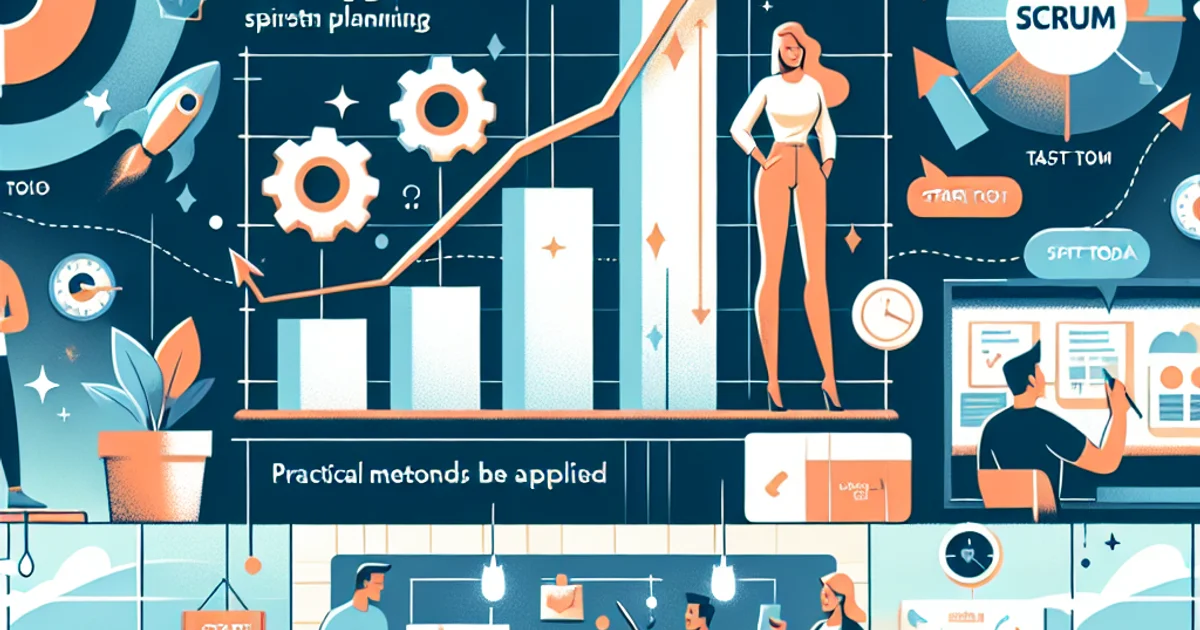
Scrum Project Management for Startups: A Practical Guide
For startups navigating the tumultuous waters of early growth, finding an efficient project management methodology is crucial. This guide focuses on 'Scrum projektstyring for startups', offering a tailored approach for small teams looking to implement Scrum effectively. By the end, founders and team members will understand how to deploy Scrum in a way that maximizes productivity without overwhelming their limited resources.
The Practical Framework for Scrum Implementation
Adopting Scrum can transform how startups manage their projects. Here is a step-by-step workflow designed to fit the unique needs of small, agile teams:
- Define the Product Vision: Start with a clear vision. This acts as the North Star guiding every sprint and decision. For startups, this often means aligning the vision with market demands and investor expectations.
- Build the Scrum Team: Assemble a cross-functional team. In a startup, team members may wear multiple hats, so flexibility and broad skill sets are beneficial.
- Create a Product Backlog: List all desired features and product enhancements. Prioritize them based on customer feedback and business value, a critical step for resource-constrained startups.
- Plan the Sprint: Set a sprint goal and select backlog items to be completed in the sprint. Startups should aim for short sprints (1-2 weeks) to maintain agility and adapt quickly to changes.
- Conduct Daily Standups: Hold daily meetings to synchronize efforts and address roadblocks. For startups, these should be brief and focused to respect everyone's time.
- Review and Retrospective: At the end of each sprint, review the work done and gather feedback. Retrospectives help the team identify improvement areas, fostering a culture of continuous development.
- Adjust and Iterate: Use insights from retrospectives to adjust the backlog, refine processes, and improve team performance.
Each step is designed to maintain focus, encourage collaboration, and ensure that the startup remains adaptable to market shifts.
Example Scenarios in Startup Contexts
Let's explore two scenarios illustrating how startups can navigate Scrum implementation.
Scenario 1: A Tech Startup Launching a New App
A tech startup with a team of five is developing a mobile app. With limited time and funding, they need to prioritize features that will attract early adopters. Using Scrum, they focus their sprints on delivering a minimum viable product (MVP) with core functionalities. Through regular sprint reviews, they gather user feedback, enabling rapid adjustments without veering off course.
Scenario 2: A Small E-commerce Company Expanding Product Lines
An e-commerce startup has a team of six and plans to expand its product line. By employing Scrum, the team can test new product ideas in short, iterative cycles. This approach allows them to validate concepts quickly, minimizing the risk of investing in unprofitable products.
Common Mistakes in Scrum Implementation
Implementing Scrum in startups can be challenging. Here are some common pitfalls and how to avoid them:
- Overloading Sprints: Startups often pack too much into a sprint, leading to burnout. It's crucial to set realistic goals that the team can achieve within the sprint timeframe.
- Skipping Retrospectives: Neglecting retrospectives can prevent learning from past mistakes. Encourage open discussion to refine processes continuously.
- Poor Backlog Management: A disorganized backlog can lead to confusion and misaligned priorities. Regularly update and prioritize the backlog to reflect current goals.
- Lack of Stakeholder Engagement: Stakeholders should be involved in sprint reviews to provide valuable feedback and align the project with business objectives.
- Ignoring Team Dynamics: Underestimating the importance of team dynamics can hinder productivity. Foster a collaborative environment where team members feel valued and heard.
- Rigid Adherence to Scrum: While Scrum provides a framework, startups should adapt it to their needs. Flexibility is key to reaping the full benefits.
Options & Trade-offs in Scrum for Startups
Startups have several approaches to consider when implementing Scrum. Each comes with its pros and cons:
Option 1: Scrum with a Dedicated Scrum Master
Best Fit: For teams with complex projects or those new to Scrum.
Downsides: May require hiring or training, which can be costly.
Prerequisites: A budget for additional personnel.
When It's a Bad Idea: For very small teams where roles overlap significantly.
Option 2: Scrum without a Dedicated Scrum Master
Best Fit: For small teams where members can share responsibilities.
Downsides: Risk of inconsistent process adherence.
Prerequisites: A team culture of self-management.
When It's a Bad Idea: When team dynamics require a strong facilitator.
Timeline & Effort for Implementing Scrum
Implementing Scrum in a startup environment typically unfolds over several phases:
- Preparation Phase (1-2 Weeks): Define goals, assemble the team, and set up initial backlog.
- Initial Sprint (2-4 Weeks): Conduct the first sprint to establish rhythm and identify improvement areas.
- Iterative Improvement (Ongoing): Continuously refine processes through retrospectives and feedback loops.
Common bottlenecks include adapting to new roles and maintaining consistent communication. Over time, these challenges can be mitigated through experience and team cohesion.
Costs Associated with Scrum
Costs for implementing Scrum can vary significantly based on factors such as team size and the need for additional training or tools. Typically, costs are driven by:
- Training and Workshops: Investing in Scrum training can be beneficial but varies in cost depending on provider and team size.
- Tools and Software: While many Scrum tools offer free versions, premium features may be necessary, depending on team needs.
- Personnel Costs: Hiring a Scrum Master or additional team members incurs salary costs, which can be significant for cash-strapped startups.
Startups should weigh these costs against the potential efficiency gains Scrum can deliver.
Wrap-Up & Next Steps
Scrum offers a flexible, iterative approach to project management that can help startups stay nimble and responsive. To move forward:
- Assess your startup's specific needs and adapt Scrum accordingly.
- Invest in training to ensure everyone understands their roles within Scrum.
- Start with a pilot project to refine your approach before full implementation.
- Continuously review and adjust your processes based on feedback and outcomes.
- Explore tools that complement your team's workflow and budget.
Implementing Scrum effectively requires commitment and adaptability. For more guidance on project management, visit Foundbase.io.
Frequently asked questions
Q: How can scrum project management help a startup grow?
Scrum project management can help a startup grow by structuring workflows, improving team communication, and ensuring faster product delivery. This allows startups to adapt to changes and meet customer needs effectively.
Q: What challenges might small businesses face when implementing scrum?
Small businesses might face challenges such as resistance to change, lack of experience with agile methods, and difficulties in adapting scrum to a smaller organization. It's important to invest in training and tailor scrum to their specific needs.
Q: What steps should a startup take to start with scrum project management?
To start with scrum project management, a startup should educate its team on scrum principles, choose an experienced scrum master, and begin with short sprints to gain experience. It's also crucial to continuously evaluate and adjust the process.
Related guides

Project management for startup accelerators: Success
Discover the best practices for project management in startup accelerators. Learn how to plan and manage projects effectively with the right tools.
Rasmus Rowbotham
Project management tools comparison: Find your match
Discover the best project management tools for your needs. Our guide helps you choose the right tool to enhance your project management.
Rasmus Rowbotham
Project management for digital nomads: Expert guide
Discover how to effectively manage projects as a digital nomad. Gain insights into tools and tips for productivity and collaboration on the go.
Rasmus Rowbotham