Advanced Use of Gantt Charts and Roadmaps in Project Management Tools
Master Gantt charts and roadmaps in project management tools with advanced planning, tracking, and resource allocation techniques.

Rasmus Rowbotham
Founder of Foundbase and experienced entrepreneur with over 10 years of experience in building and scaling businesses.
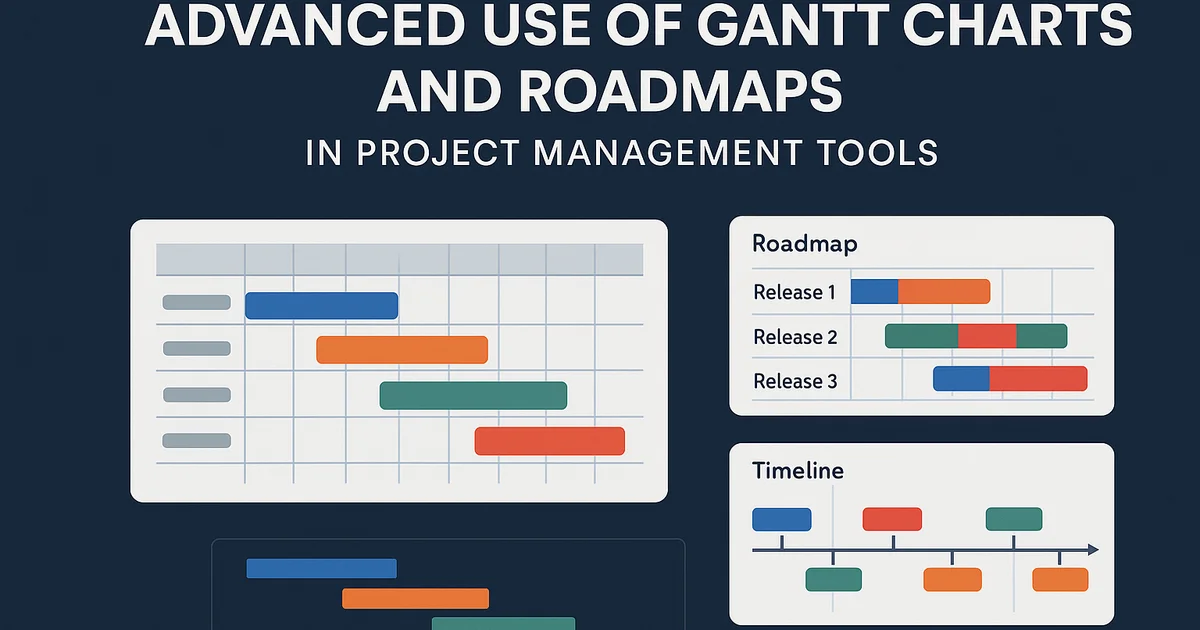
Advanced Project Management with Gantt Charts, Roadmaps, and Timelines
A Gantt chart is more than a visual task overview – it is a strategic instrument for managing dependencies, predicting bottlenecks, and optimizing resources. Combined with roadmaps and timelines, it becomes a powerful framework for achieving full transparency across projects and teams.
1. From Roadmap to Gantt – Strategic Alignment
A roadmap defines overarching goals, milestones, and strategic phases. The Gantt chart translates these strategic initiatives into concrete tasks, deadlines, and ownership. To ensure alignment:
- Define strategic themes on the roadmap (e.g., 'Product Launch Q2' or 'Customer Experience 2025')
- Break them down into Gantt tasks with clear owners and deliverables
- Maintain continuous synchronization between roadmap and project plan
Read more about choosing the right software for this process in this guide.
2. Building a Gantt Structure – A Practical Model
An effective Gantt structure follows five key principles:
- Hierarchy: Group tasks under project phases (e.g., Design, Development, Testing, Launch)
- Dependencies: Use 'Finish-to-Start' logic for realistic planning
- Resource Allocation: Visualize overloads and free capacity directly in the timeline
- Milestones: Mark critical deliverables (e.g., approvals or releases)
- Baselines: Save the original plan to track variances
Top tools like Foundbase, ClickUp, or Asana support dynamic Gantt synchronization, ensuring that changes to deadlines automatically shift dependent tasks.
3. Visualizing Complex Timelines
Timelines communicate project status across management layers. They are particularly useful for portfolio management where multiple projects need to be shown together. Effective timelines should:
- Highlight milestones and key deliverables rather than granular details
- Use clear color coding for status (green/yellow/red)
- Integrate real-time Gantt data for automatic updates
Learn how to avoid common mistakes in this article.
4. Workflow: From Planning to Execution
A typical Gantt + roadmap implementation workflow looks like this:
- Define roadmap objectives and phases (strategic level)
- Convert roadmap items into Gantt tasks
- Add dependencies and estimate resources
- Set a baseline and activate deviation notifications
- Update the Gantt regularly based on actual progress
- Communicate progress via a timeline to stakeholders
This ensures that planners and executives access the same data presented in different visual contexts.
5. Data-Driven Tracking and Risk Management
Modern project management tools provide automated indicators for delays, resource conflicts, and critical path visualization. Use these capabilities to:
- Identify risks early
- Visualize the critical path
- Create risk reports based on baseline deviations
For teams setting up structured project workflows, read this practical introduction.
6. Best Practice: Combining Gantt and Roadmap in Foundbase
Foundbase enables teams to combine roadmap and Gantt functionalities, linking strategic objectives directly to operational activities. Each phase can have its own visualization, simplifying reporting for investors or management without altering the underlying plan.
If you're looking for a free solution, explore Foundbase's free project management tool.
Conclusion
A Gantt chart is not just a planning feature – it is the backbone of execution, communication, and decision-making. When integrated effectively with roadmaps and timelines, it becomes the foundation for efficient, data-driven project management.
Frequently asked questions
Q: What is the difference between a Gantt chart and a roadmap?
A roadmap outlines strategic goals and major phases, while a Gantt chart focuses on detailed tasks, dependencies, and deadlines. Both should be used together to align strategic vision with day-to-day execution.
Q: How should dependencies be managed in a Gantt chart?
Dependencies such as 'Finish-to-Start', 'Start-to-Start', and 'Finish-to-Finish' should be used to model realistic task sequences and automatically adjust schedules when deadlines shift.
Q: Which tools are best for integrating Gantt charts and roadmaps?
Modern solutions like Foundbase, ClickUp, and Asana allow seamless integration between Gantt charts and roadmaps, ensuring strategic updates automatically reflect in the operational plan.
Related guides
Project management for non-tech startups: Simple strategies
Learn how non-tech startups can effectively manage projects. From planning to tools, get comprehensive insights and strategies.
Rasmus Rowbotham
Project management for small startups: Essential guide
Learn how to manage projects effectively in small startups. This expert guide provides essential techniques and tips for success.
Rasmus Rowbotham
Project management tips for new startups: Strategic insights
Are you a new startup? Discover essential project management tips to propel your business forward. Gain insights into effective strategies and planning.
Rasmus Rowbotham