Project management for fintech startups: Boost productivity
Enhance project management for fintech startups with our expert guide. Apply top techniques and boost your productivity. Read more now.

Rasmus Rowbotham
Founder of Foundbase and experienced entrepreneur with over 10 years of experience in building and scaling businesses.
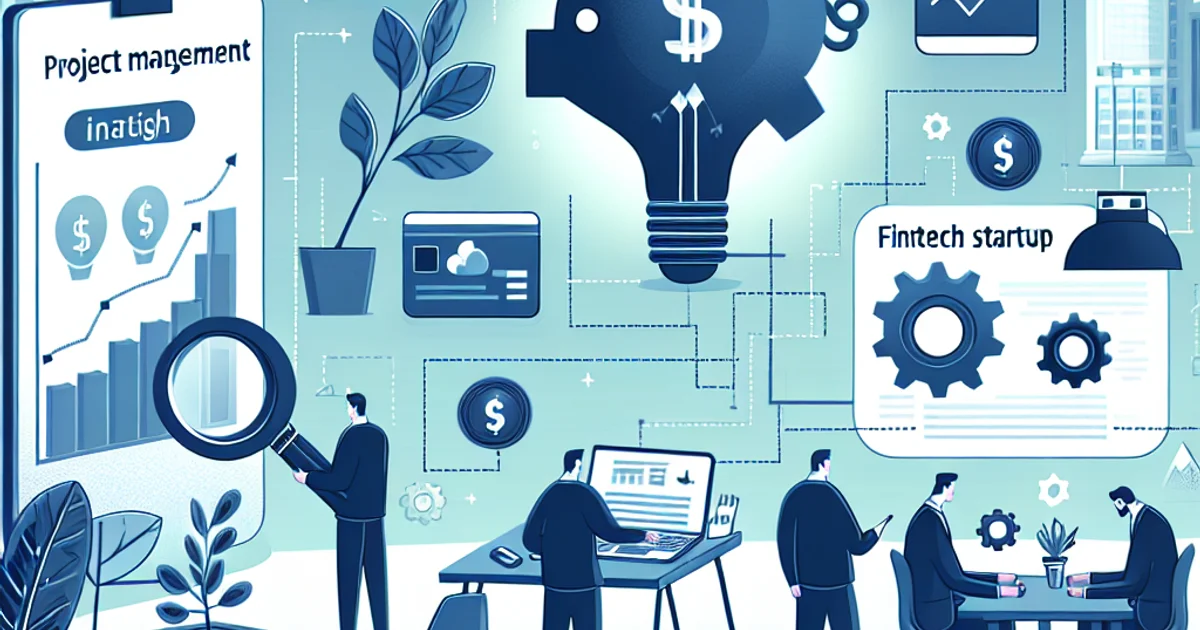
Projektstyring for Fintech Startups: Navigating Complexity with Precision
For fintech startups, project management isn't just about ticking boxes and meeting deadlines. It's about navigating complex regulatory environments, managing rapid technological evolution, and aligning diverse stakeholder expectations. This guide is designed for founders and small teams who are ready to dive deep into the nuances of 'projektstyring for fintech startups'. It offers a practical, step-by-step framework to help fintech entrepreneurs execute projects effectively, avoid costly mistakes, and leverage digital tools to enhance productivity.
The Practical Framework for Fintech Project Management
Effective project management in fintech involves a series of deliberate steps tailored to the unique challenges of the industry. Here's a step-by-step workflow:
- Define the Regulatory Landscape: Understanding and complying with financial regulations is critical. Start by mapping out the legal requirements relevant to your project. This ensures compliance and avoids potential fines.
- Align Stakeholder Expectations: Clearly communicate the project goals and deliverables with all stakeholders, including investors, regulatory bodies, and customers. This alignment is crucial for gaining buy-in and ensuring smooth project progression.
- Select Appropriate Tools: Utilize digital tools that cater specifically to fintech needs. Tools like Jira or Asana can help manage tasks, while specialized fintech tools ensure compliance and data security.
- Develop a Robust Risk Management Plan: Identify potential risks early and develop strategies to mitigate them. This includes technological, financial, and operational risks.
- Implement Agile Methodologies: Given the fast-paced nature of fintech, adopting agile methodologies helps teams adapt quickly to changes and new information.
- Monitor and Evaluate Progress: Regularly review project progress against established KPIs. This helps in making informed decisions and adjustments to the project strategy.
- Iterate and Learn: Use feedback loops to learn from each phase of the project, making improvements for future projects.
Each step is crucial for ensuring that fintech startups not only stay on track but also build a sustainable and scalable project management process.
Example Scenarios: Real-World Applications
Scenario 1: A New Payment Solution
A fintech startup with a team of five aims to develop a new payment solution. They face tight deadlines and limited budget. By focusing on regulatory alignment from the outset, they avoid costly delays. The team uses agile sprints to manage development phases, allowing them to quickly adapt to feedback from beta testers. A single misalignment with a regulatory requirement could have set them back months, but by prioritizing this, they keep the project on track.
Scenario 2: Investment Platform Launch
With a team of six, a fintech startup plans to launch an investment platform. They decide to utilize specialized fintech compliance tools to handle complex regulatory requirements. During the initial phases, they encounter issues with stakeholder alignment, which they resolve by hosting collaborative workshops to ensure everyone is on the same page. This proactive approach helps them avoid last-minute surprises and keeps the project aligned with investor expectations.
Common Mistakes in Fintech Project Management
- Ignoring Regulatory Requirements: Overlooking compliance can lead to project stoppages and heavy fines. Startups should integrate compliance checks into every phase of the project.
- Poor Stakeholder Communication: Failure to maintain transparent communication can lead to misaligned expectations and project derailment.
- Inadequate Risk Management: Not identifying and planning for potential risks can result in project failures. Regular risk assessments are essential.
- Over-Reliance on Generic Tools: While generic project management tools are useful, they often lack the specialized features needed for fintech projects.
- Neglecting Feedback Loops: Ignoring feedback from users and stakeholders can result in products that don't meet market needs.
Options & Trade-Offs
Approach 1: In-House Development
Best for startups with strong technical teams. It offers complete control but requires significant time and resources.
Approach 2: Outsourcing
Ideal for startups that need to scale quickly. It can reduce time to market but may result in less control over the final product.
Approach 3: Hybrid Model
Combines in-house and outsourced resources, offering a balance of control and flexibility. Best for startups with varied needs across different project phases.
Timeline & Effort
Implementing a project management framework in fintech typically involves several phases:
- Initial Planning (1-2 months): Focus on regulatory requirements and stakeholder alignment.
- Development Phase (3-6 months): Employ agile sprints to maintain flexibility and responsiveness.
- Testing and Compliance (2-4 months): Rigorous testing and adjustments based on compliance checks and user feedback.
- Launch and Post-Launch (1-2 months): Final adjustments and evaluation of the project's success against KPIs.
Costs
Cost drivers for fintech project management include compliance tools, technology stack, and human resources. Costs can vary widely based on the project's scope and the regulatory environment. Typically, compliance and technology are the most significant expenses.
Wrap-Up & Next Steps
Fintech startups must approach project management with precision and adaptability. Here are the next steps to implement effective projektstyring:
- Map out regulatory requirements early in the process.
- Ensure stakeholder alignment through transparent communication.
- Select digital tools that cater to fintech-specific needs.
- Adopt agile methodologies to stay responsive to changes.
- Regularly evaluate project progress against KPIs.
For more insights and tools to enhance your project management capabilities, explore the project management features available at Foundbase.
Frequently asked questions
Q: How can fintech startups improve their project management?
Fintech startups can improve their project management by implementing agile methodologies, using specialized project management software, and ensuring clear communication channels among team members.
Q: What techniques are most effective for fintech startups?
The most effective techniques include Scrum and Kanban for flexibility, utilizing data analytics to manage risks, and quickly adapting to market changes.
Q: How can project management boost productivity in a fintech startup?
By applying structured project management methods, startups can reduce wasted time, better prioritize tasks, and ensure all team members are working towards common goals.
Related guides

Project management for digital nomads: Expert guide
Discover how to effectively manage projects as a digital nomad. Gain insights into tools and tips for productivity and collaboration on the go.
Rasmus Rowbotham
Remote project management tools: boost productivity
Discover the top remote project management tools to enhance collaboration within your team. Learn how to optimize productivity effectively.
Rasmus Rowbotham
Project management for social startups: Effective techniques
Gain insights on optimizing project management for social startups. Discover sustainable tools and techniques that promote success and impact.
Rasmus Rowbotham