Agile project management for startups: drive growth
Discover agile project management for startups and boost your business. Learn about scrum for Danish entrepreneurs and lean startup methods. Start today.

Rasmus Rowbotham
Founder of Foundbase and experienced entrepreneur with over 10 years of experience in building and scaling businesses.
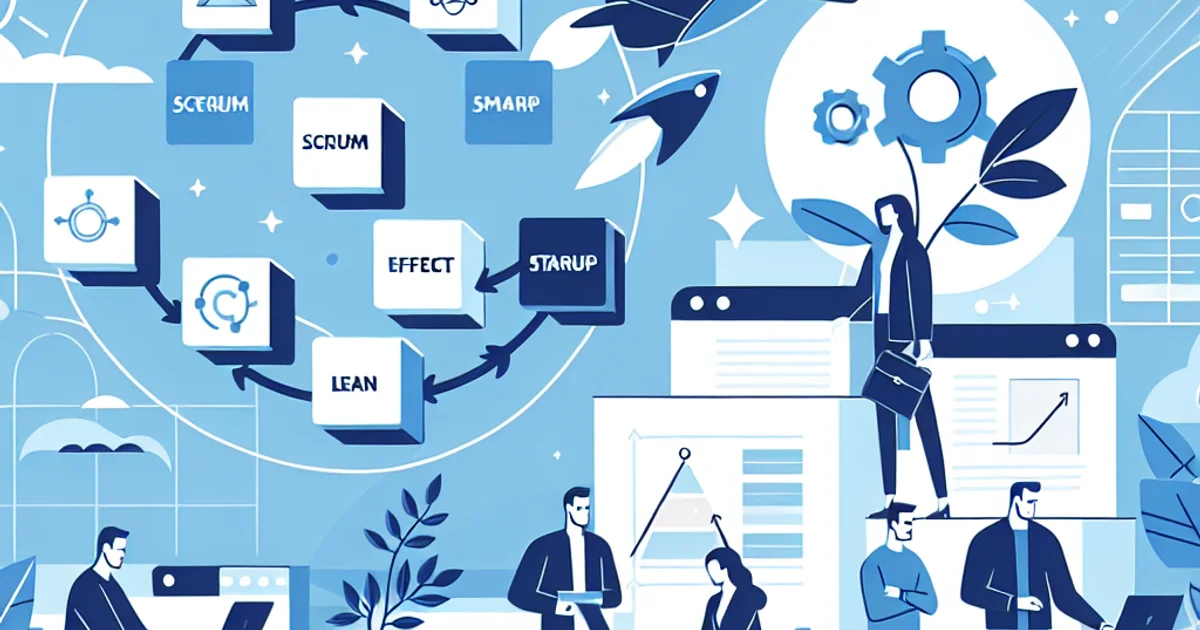
Agile Project Management for Startups: A Niche Guide
For startups navigating the chaotic early stages, adopting agile project management can be transformative. This guide is tailored for founders and small teams wanting to implement agile methodologies in a practical, impactful way. Unlike broad overviews, this guide focuses specifically on how agile can be harnessed to address the unique challenges faced by startups, such as limited resources, rapidly changing priorities, and the need for quick pivots.
The Practical Framework
Successfully implementing agile project management requires a clear, step-by-step workflow. Here's a practical framework to get started:
- Define Clear Objectives: Start by identifying the core objectives of your project. What are the primary goals? This clarity will guide all subsequent decisions and ensure alignment within the team.
- Prioritize Backlog Items: Create a backlog of tasks, features, or deliverables. Prioritize these based on immediate impact and feasibility. Remember, not all tasks are created equal, and prioritization is key to maintaining focus.
- Adopt Sprints: Break down tasks into manageable sprints, typically lasting 1-4 weeks. This allows the team to focus on a specific set of tasks, fostering a sense of achievement and progress.
- Daily Stand-ups: Hold brief daily meetings to discuss progress, challenges, and next steps. These meetings should be focused and concise, fostering open communication and quick problem-solving.
- Iterative Review: At the end of each sprint, conduct a review to assess what was achieved. This reflective process helps identify what worked, what didn't, and how to improve in the next sprint.
- Adapt and Evolve: Use feedback from reviews to adjust the backlog, priorities, and approach. Agile is about flexibility and continuous improvement, so be prepared to pivot as new information emerges.
Example Scenarios
Consider a startup with a team of five developing a new mobile app. They begin by setting a clear objective: launch a Minimum Viable Product (MVP) within three months. They create a backlog of features and prioritize those that offer the most value to early users. Using two-week sprints, they focus on developing core functionalities first. Daily stand-ups keep the team aligned, and sprint reviews provide insights into user feedback, prompting necessary adjustments.
In another scenario, a team of six in a tech startup is working on a software solution for e-commerce. With fluctuating market demands, they adopt agile to remain responsive. By holding regular sprint planning sessions, they ensure that only the most relevant tasks are prioritized. Their iterative approach allows them to quickly incorporate customer feedback, ensuring the product evolves in line with market needs.
Common Mistakes in Agile Project Management
Many startups stumble when implementing agile methodologies. Here are common pitfalls and how to avoid them:
- Skipping Objective Definition: Without clear objectives, teams can lose focus. Define what success looks like at the outset to guide decision-making.
- Overloading Sprints: Attempting to achieve too much in one sprint can lead to burnout and frustration. Be realistic about what can be accomplished.
- Poor Communication: Agile relies on open, ongoing communication. Encourage honesty and transparency to identify issues early.
- Ignoring Feedback: Failing to act on sprint reviews and user feedback undermines the iterative nature of agile. Use these insights to drive improvements.
- Rigid Processes: Agile is about flexibility. Avoid rigid adherence to processes that don't serve the team's needs. Be willing to adapt.
Options & Trade-offs
When implementing agile, startups have several approaches to consider:
- Scrum: Best for teams that thrive on structure and defined roles. However, it can be too rigid for some startups. Requires commitment to regular meetings and specific roles.
- Kanban: Ideal for teams needing flexibility. There are no set roles, allowing fluid task management. However, without discipline, it can lead to disorganization.
- Lean Startup Methodology: Focuses on rapid iteration and learning. Best for environments with high uncertainty. The downside is it requires constant testing and learning cycles, which can be resource-intensive.
Timeline & Effort
Implementing agile is not an overnight task. It typically unfolds over several phases:
- Initial Setup (1-2 weeks): Establish objectives, tools, and team roles.
- First Sprints (4-8 weeks): Run several sprints to establish rhythm and refine processes.
- Optimization (3-6 months): Use feedback to optimize workflows and improve efficiency.
Bottlenecks often arise from unclear objectives or resistance to change. Address these proactively to ensure smooth implementation.
Costs
The cost of agile implementation can vary widely. Factors include team size, tools used, and the complexity of the project. Typically, costs involve training, tool subscriptions, and potential productivity dips during the transition. Startups must balance these costs against the long-term benefits of increased flexibility and responsiveness.
Wrap-up & Next Steps
To successfully implement agile project management in your startup:
- Define clear objectives and communicate them across the team.
- Prioritize tasks based on impact and feasibility.
- Adopt sprints and hold regular stand-ups for alignment.
- Conduct iterative reviews to learn and adapt.
- Choose an agile approach that fits your team's culture and needs.
For more detailed guidance, consider exploring common mistakes in project management, or implementing project management tools to enhance your agile setup. To discover how agile can transform your startup's workflows, explore the project management features tailored for startups.
Frequently asked questions
Q: What are the main benefits of using agile methods in startups?
Agile methods provide startups with the flexibility to quickly adapt to changes in the market or customer needs. This can lead to faster product development and better alignment with customer demands, which are crucial for growth and success in a dynamic startup environment.
Q: How can scrum help Danish entrepreneurs organize their teams?
Scrum offers a structured framework where teams can work in short, focused sprints to achieve specific goals. This helps entrepreneurs prioritize tasks, improve team communication, and ensure everyone is working towards the same objectives, which can enhance productivity and efficiency.
Q: What is the difference between agile project management and traditional project management methods?
Unlike traditional project management methods that often follow a linear approach, agile project management is iterative and incremental. This means projects can be continuously adapted and improved, reducing the risk of errors and increasing the chances of successful implementation.
Related guides

Project management tools comparison: Find your match
Discover the best project management tools for your needs. Our guide helps you choose the right tool to enhance your project management.
Rasmus Rowbotham
Project management for digital nomads: Expert guide
Discover how to effectively manage projects as a digital nomad. Gain insights into tools and tips for productivity and collaboration on the go.
Rasmus Rowbotham
Remote project management tools: boost productivity
Discover the top remote project management tools to enhance collaboration within your team. Learn how to optimize productivity effectively.
Rasmus Rowbotham