How to create a business model canvas: expert guide
Learn how to create a business model canvas. Get expert insights and examples. Start today.

Rasmus Rowbotham
Founder of Foundbase and experienced entrepreneur with over 10 years of experience in building and scaling businesses.
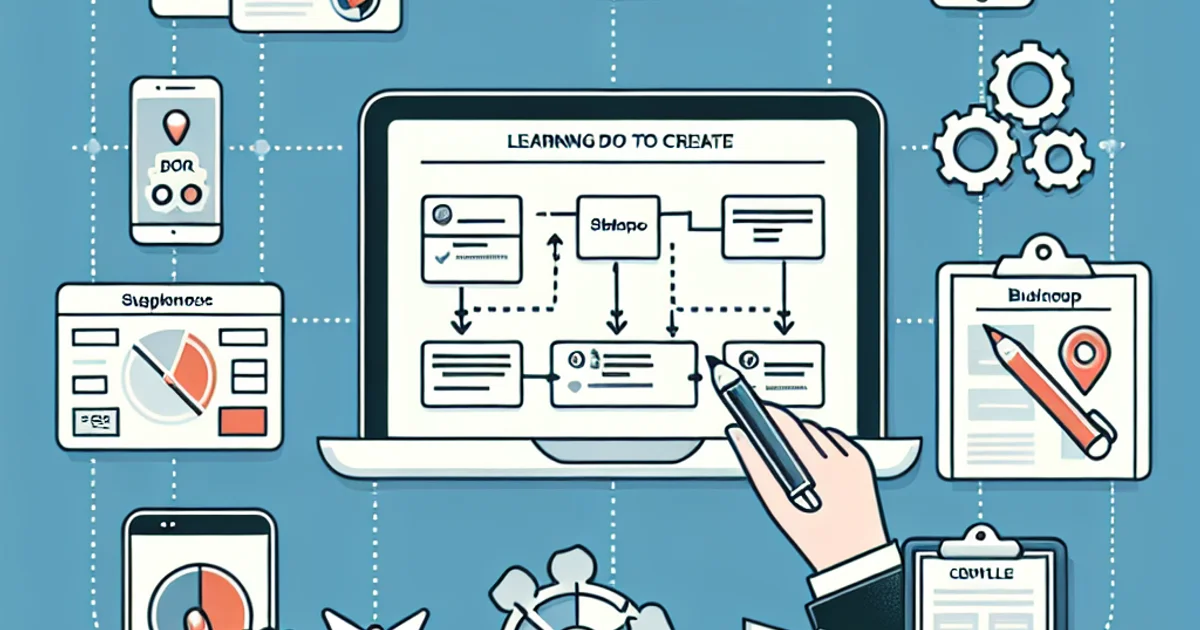
Creating a business model canvas: A practical guide for startups
For entrepreneurs and small teams navigating the early stages of building a business, establishing a clear and actionable business model is crucial. This guide specifically addresses 'how to create a business model canvas,' focusing on practical steps and strategies tailored for startups with limited resources and time. The aim is to provide a detailed, nuanced approach that helps avoid common pitfalls and maximizes strategic planning efficiency.
The practical framework
Creating a business model canvas can be broken down into a series of actionable steps that help clarify your business strategy and align your team. Here’s a step-by-step workflow:
1. Define your customer segments
Understanding who your customers are is foundational. It’s not just about demographics; delve into their needs, pain points, and how they currently solve these problems. For startups, focusing on a niche market can be advantageous, allowing for more targeted strategies and resource allocation.
2. Identify your value propositions
Your value proposition is what sets you apart from competitors. Clearly articulate how your product or service solves customer problems or improves their situation. In practice, many startups find it beneficial to create a value proposition canvas to focus on customer needs and your unique offerings.
3. Establish channels
Determine how your product or service will reach your customers. This includes both marketing channels and distribution channels. For startups, leveraging digital platforms can often offer cost-effective solutions, but consider where your customers spend their time and tailor your approach accordingly.
4. Build customer relationships
Decide the type of relationship you want to establish with your customers. Will it be personal assistance, self-service, or automated services? Many startups benefit from a hybrid approach, balancing automated tools with personal touches to build trust and loyalty.
5. Determine revenue streams
Your revenue streams define how your business will earn money from each customer segment. Explore various models such as subscription, licensing, or freemium. The choice often depends on industry standards and customer expectations, but innovation in revenue models can sometimes provide a competitive edge.
6. Identify key resources
List the assets required to deliver your value proposition, reach markets, maintain customer relationships, and earn revenues. These could be physical, intellectual, human, or financial. Startups often need to be creative in resource allocation, leveraging partnerships or outsourcing to fill gaps.
7. Outline key activities
These are the most important actions your company must take to operate successfully. This might include production, marketing, or research and development. For lean startups, focusing on activities that directly contribute to customer value can optimize resource use.
8. Forge key partnerships
Identify partners and suppliers that can help you leverage resources and reduce risk. Partnerships can provide access to new markets, technologies, or customer segments and often play a critical role in scaling operations.
9. Calculate cost structure
Understand the costs involved in operating your business. Differentiate between fixed and variable costs, and identify where economies of scale might be achievable. Startups should consistently review their cost structures as they pivot and grow.
Example scenarios
Consider a small tech startup with a team of four. They are developing a SaaS product aimed at improving remote team collaboration. The team decides to focus on small to medium-sized businesses struggling with remote work productivity. They tailor their value proposition to emphasize seamless integration with existing tools and ease of use. Limited by budget, they choose digital marketing channels, such as LinkedIn and targeted email campaigns, to reach decision-makers in their target segment. The startup decides on a subscription-based revenue model, offering a free trial to attract early adopters.
In another case, a two-person team is launching a sustainable fashion brand. They focus on eco-conscious consumers looking for ethically sourced clothing. Their value proposition highlights transparency in the supply chain and sustainable materials. They start by selling directly through an online store, using social media to build customer relationships and community. Revenue comes from direct sales, with plans to explore partnerships with eco-friendly retailers as they grow.
Common mistakes
1. Vague customer segmentation: Startups often cast too wide a net, diluting their efforts. Focus on specific segments to tailor your offerings effectively.
2. Overestimating value proposition: Entrepreneurs sometimes assume their product's value is self-evident. Regularly validate with customer feedback to ensure alignment.
3. Ignoring cost structure nuances: Overlooking variable costs or underestimating fixed expenses can lead to financial strain. Regular financial reviews are essential.
4. Underestimating marketing channels: Relying on a single channel can limit reach. Experiment with multiple channels to find the optimal mix for customer engagement.
5. Neglecting partnership opportunities: Startups may miss out on growth opportunities by not leveraging potential partnerships. Seek collaborations that enhance capabilities and market access.
Options & trade-offs
Choosing a revenue model involves trade-offs. Subscription models provide steady income but require retention strategies. One-time sales offer immediate cash flow but may need constant customer acquisition efforts. Consider industry norms and customer preferences when deciding.
Regarding customer relationships, personal assistance builds strong loyalty but can be resource-intensive. Automated services scale easily but might lack a personal touch. Decide based on resource availability and desired customer experience.
Timeline & effort
Implementing a business model canvas can take several weeks to months, depending on the complexity of the business and the clarity of the initial ideas. Initial drafts often require adjustments as more information is gathered. Common bottlenecks include unclear customer needs and underdeveloped value propositions. Regular reviews and iterations can help refine the canvas over time.
Costs
Costs vary widely based on industry and operational scale. Key drivers include marketing expenses, production costs, and technology investments. Startups often benefit from lean methodologies to minimize costs while maximizing learning. Partnerships and outsourcing can also help manage expenses effectively.
Wrap-up & next steps
To get started with your business model canvas:
- Gather your team and brainstorm each component of the canvas.
- Focus on clear, specific customer segments and value propositions.
- Continuously validate assumptions with real customer feedback.
- Iterate and refine the canvas as your business evolves.
- Visit Foundbase for additional resources and tools.
Frequently asked questions
Q: What are the key components of a business model canvas?
The key components of a business model canvas include customer segments, value propositions, channels, customer relationships, revenue streams, key activities, resources, partners, and cost structure.
Q: How can a business model canvas improve my business strategy?
A business model canvas helps you visualize and assess your business model in a straightforward manner. By identifying and understanding each component, you can discover opportunities for improvement and innovation that can enhance your overall strategy.
Q: Are there any tools or templates available for creating a business model canvas?
Yes, there are many online tools and templates available to help you create a business model canvas. Some popular tools include Canvanizer, Strategyzer, and various templates in PowerPoint or Google Slides.
Related guides

Growth strategies for small teams: Effective tactics
Learn how small teams can grow effectively with strategies that enhance collaboration and efficiency. Our guide helps you optimize operations.
Rasmus Rowbotham
Startup pricing strategies: maximize profit
Explore expert-level startup pricing strategies to enhance your business's profitability. Gain insights into various models and successful examples.
Rasmus Rowbotham
Startup competitive analysis: Strategies for success
Gain insights into competitive analysis strategies for startups. Learn to navigate the market and position your startup effectively.
Rasmus Rowbotham