Expert Guide to Starting an Online Store
Gain in-depth knowledge on how to launch a successful online store. From planning to execution.

Rasmus Rowbotham
Founder of Foundbase and experienced entrepreneur with over 10 years of experience in building and scaling businesses.
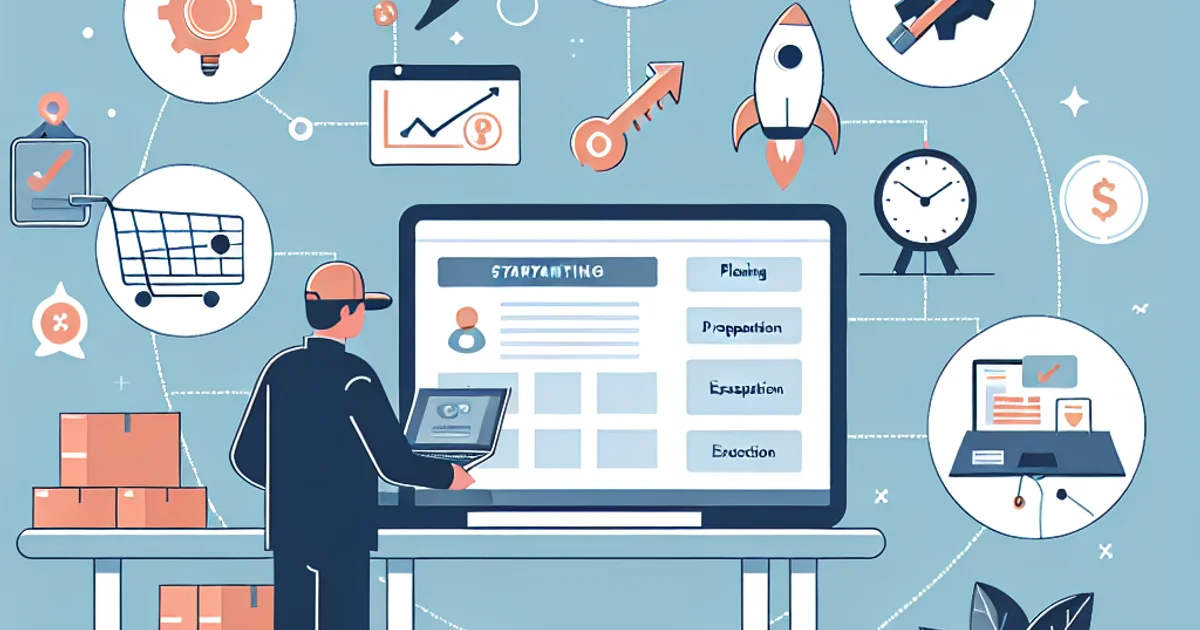
Launching an E-commerce Store: A Comprehensive Beginner's Guide
Starting an e-commerce business can be an exciting yet daunting task. With the rapid growth of online shopping, there has never been a better time to launch your own webshop. This guide aims to provide you with a detailed understanding of how to start an e-commerce store, focusing on essential steps, strategies, and tools you need to succeed.
Definition and Key Facts
An e-commerce store, also known as a webshop, is an online platform where products or services are sold. These stores can range from small niche shops to large marketplaces.
- Global Reach: E-commerce allows businesses to sell to customers worldwide, breaking geographical barriers.
- 24/7 Availability: Unlike physical stores, e-commerce websites are open 24/7, providing continuous sales opportunities.
- Lower Operational Costs: Running an online store generally incurs lower costs compared to a physical storefront.
- Data-Driven Insights: E-commerce platforms often provide valuable analytics to help businesses understand customer behavior and optimize sales strategies.
When to Use and When to Avoid
Before diving into e-commerce, it's crucial to evaluate whether it's the right move for your business.
| When to Use | When to Avoid |
|---|---|
| You've identified a niche market with demand | You lack the resources to maintain an online presence |
| You have a clear understanding of your target audience | Your products require a high-touch, in-person sales approach |
| You can handle logistics such as shipping and customer service | You're not prepared to invest in digital marketing |
Comparison Box: E-commerce Platforms
Choosing the right e-commerce platform is crucial. Here's a comparison of some popular options:
| Platform | Best For | Key Features |
|---|---|---|
| Shopify | All-in-one solution for beginners | Easy setup, scalability, numerous themes |
| WooCommerce | Users familiar with WordPress | Highly customizable, wide range of plugins |
| Magento | Large, scalable businesses | Robust features, customizable, open-source |
Decision Block
To decide whether to start an e-commerce store, consider the following:
- Do you have a clear business model?
- Is there a demand for your product online?
- Do you have the resources to manage online operations?
- Are you ready to invest time in learning digital marketing?
If you answered 'yes' to most of these questions, you're likely ready to proceed.
90-Day Plan
Here's a 90-day plan to help you launch your e-commerce store successfully:
Days 1-30: Research and Planning
- Conduct market research to identify trends and demand.
- Select your niche and define your unique selling proposition (USP).
- Choose an e-commerce platform that best suits your needs.
- Plan your product range and sourcing strategy.
Days 31-60: Development and Setup
- Register a domain name and set up your website.
- Design your store; focus on user experience (UX) and mobile responsiveness.
- Set up payment gateways and shipping options.
- Create product listings with detailed descriptions and high-quality images.
Days 61-90: Launch and Marketing
- Develop a digital marketing strategy, including SEO, social media, and email marketing.
- Launch your store and promote it across various channels.
- Monitor website performance and customer feedback, making necessary adjustments.
- Leverage analytics to refine your marketing strategies.
Internal Resources
For more insights, refer to these guides:
- Beginner GTM: Choose Your First Go-To-Market Channel
- Budget Tool for Entrepreneurs
- Budget Tools for Startups
For more comprehensive resources, visit foundbase.io.
Embarking on the journey of launching an e-commerce store is a significant step toward entrepreneurial success. By following this guide, you'll be better equipped to navigate the complexities of e-commerce and achieve your business goals.
Frequently asked questions
Q: What are the first steps to starting an online store in Denmark?
The first step is to create a detailed business plan that includes your target audience, niche, and competitor analysis. Next, choose a suitable e-commerce platform, register your domain, and ensure compliance with Danish legal requirements.
Q: How do I choose the right e-commerce platform for my online store?
Consider factors such as ease of use, integration options, payment solutions, and costs. Popular choices in Denmark include Shopify, WooCommerce, and Magento, each offering different features depending on your needs.
Q: What legal requirements should I be aware of when starting an online store in Denmark?
You must comply with GDPR data protection rules, register your business with the Danish Business Authority, and ensure that your terms and conditions, return policy, and privacy policy are clearly communicated on your website.
Related guides

Startup remote work strategies: boost productivity
Explore expert-level strategies for remote work in startups. Gain insights into tools and methods to improve team collaboration and efficiency.
Rasmus Rowbotham
How to create a business model canvas: expert guide
Discover how to create an effective business model canvas with our expert guide. Gain insights into strategies and examples for entrepreneurs.
Rasmus Rowbotham
Startup team management strategies: Maximize success
Learn expert strategies for managing your startup team. Gain insights into effective leadership and team-building techniques that drive success.
Rasmus Rowbotham