Entrepreneur branding strategies: boost your startup
Discover entrepreneur branding strategies to build a strong brand identity. Start enhancing your startup's brand today.

Rasmus Rowbotham
Founder of Foundbase and experienced entrepreneur with over 10 years of experience in building and scaling businesses.
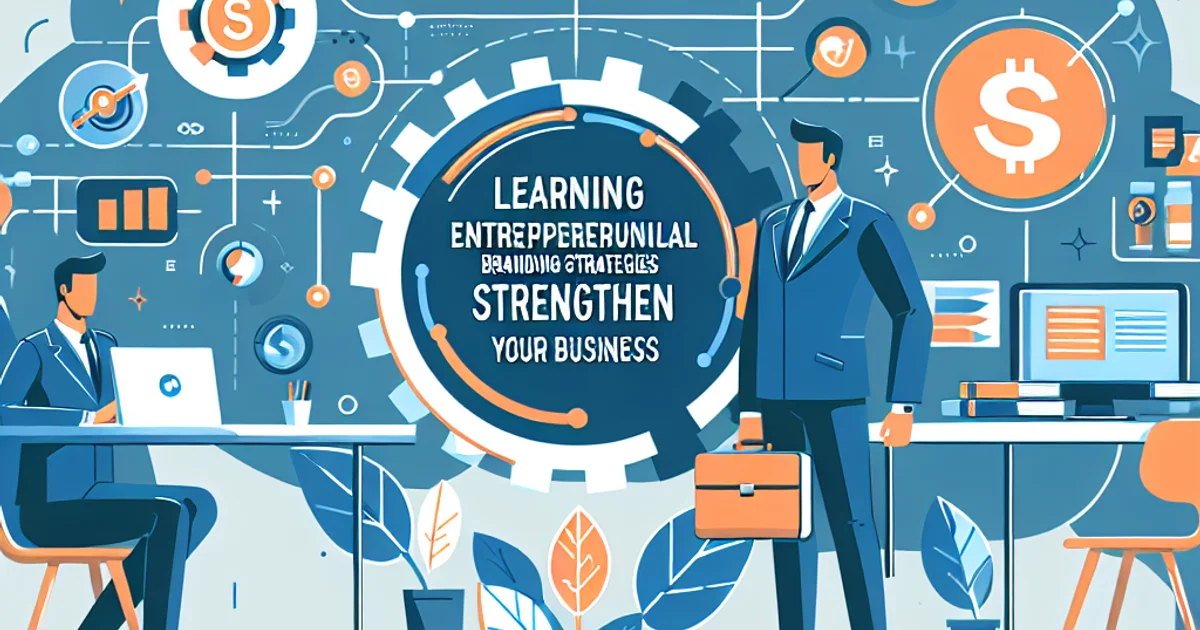
Navigating Startup Branding: A Practical Guide for Entrepreneurs
For founders and small teams, building a strong brand is more than just having a catchy name or a sleek logo. It's about creating a unique identity that resonates with customers and stands out in a crowded market. This guide specifically targets early-stage entrepreneurs looking to establish a solid branding strategy that aligns with their startup's vision and values.
The Practical Framework for Startup Branding
Effective branding isn’t built overnight. It requires a thoughtful process. Here’s a step-by-step approach to help you develop a brand that not only attracts but retains your ideal customers:
- Define Your Brand Core: At the heart of every successful brand is a clear understanding of its mission, vision, and values. This clarity serves as a compass for all branding efforts. Reflect on what your startup stands for and the unique value it offers.
- Understand Your Audience: Knowing your audience is crucial. Create customer personas to grasp their needs, preferences, and pain points. This understanding will inform all your branding decisions.
- Craft Your Brand Story: Storytelling is a powerful tool that humanizes your brand. Develop a compelling narrative that connects emotionally with your audience. Share why your startup exists and the problem it solves.
- Design Your Visual Identity: Your logo, color palette, and typography should reflect your brand’s personality. Consistency across all visual elements helps in establishing brand recognition.
- Develop a Brand Voice: Determine the tone and style of your communication. Whether it's formal, friendly, or quirky, ensure it aligns with your brand’s personality and resonates with your audience.
- Build an Online Presence: A robust online presence is indispensable. Craft a user-friendly website and engage on social media platforms where your audience spends time.
- Consistency is Key: Maintain consistency across all touchpoints, from customer service to marketing materials. This reinforces your brand identity and builds trust.
Example Scenarios of Branding in Action
Consider a tech startup with a team of four, developing an innovative app for remote workers. Their branding challenge is to communicate efficiency and reliability. They start by refining their brand core around these themes and crafting a narrative that highlights their team’s passion for improving remote work experiences. They choose a sleek, modern design for their website and engage on LinkedIn, where their audience is most active.
Another example is a sustainable fashion startup with a small, dedicated team. Their brand story revolves around ethical production and eco-friendly materials. They use earthy tones in their branding and engage with audiences on Instagram to showcase their products and share behind-the-scenes stories of their ethical practices.
Common Mistakes in Startup Branding
1. Skipping Audience Research: Many startups assume they know their audience without conducting thorough research. This can lead to branding that misses the mark. Engage with potential customers early and often to validate assumptions.
2. Inconsistent Branding: Inconsistency in messaging and visuals confuses customers and dilutes brand strength. Create a brand guideline document to ensure all team members are aligned.
3. Overcomplicating the Brand Message: Simplicity is powerful. Avoid jargon and complex messages that potential customers might not understand. Keep it clear and concise.
4. Ignoring Feedback: Customer feedback is invaluable. Ignoring it can result in a brand that doesn’t resonate. Use feedback to refine and improve your branding elements.
5. Neglecting the Brand Experience: A strong brand isn’t just about visuals; it’s about the overall customer experience. Ensure that every interaction with your brand is positive and memorable.
Options & Trade-offs in Branding Strategies
DIY Branding vs. Hiring Professionals: For startups with limited budgets, DIY branding might seem appealing. However, it requires a significant time investment and learning curve. Hiring professionals can provide expertise and polish but at a higher cost. Weigh your startup’s specific needs and resources.
Focus on Digital vs. Traditional Channels: Digital channels often offer more bang for your buck and are essential for reaching a tech-savvy audience. However, traditional methods like print media can be effective for local engagement. Choose based on your target audience’s habits.
Expanding vs. Niche Branding: While it might be tempting to broaden your brand’s appeal, focusing on a niche can lead to stronger brand loyalty. Evaluate your market position and growth goals.
Timeline & Effort for Branding Implementation
Branding is an ongoing process, not a one-time project. Typically, initial branding efforts can take 3 to 6 months, including research, design, and implementation. The most time-consuming phases are often audience research and brand story development. Be prepared for iterative improvements based on feedback and market changes.
Costs Involved in Startup Branding
Branding costs can vary widely. DIY branding might only require a few hundred dollars for tools and resources. Hiring a branding agency can range from a few thousand to tens of thousands of dollars. Costs are driven by the complexity of your brand’s needs, the level of expertise required, and the geographic location of services.
Wrap-up & Next Steps
- Start by defining your brand core and understanding your audience.
- Develop a compelling brand story and visual identity.
- Ensure consistency across all brand touchpoints.
- Gather and integrate customer feedback into your branding efforts.
- Continuously refine your brand as your startup evolves.
For further guidance on entrepreneurship strategies, visit Foundbase for more resources and expert advice.
Frequently asked questions
Q: How can I develop a strong brand identity as an entrepreneur?
To develop a strong brand identity, start by understanding your target audience and what makes your business unique. Focus on creating a clear and consistent visual identity, and communicate your core values across all channels.
Q: What branding strategies are most effective for startups?
Effective branding strategies for startups include storytelling, influencer marketing, and building an engaged online presence. It's also important to network and create partnerships that can strengthen your brand.
Q: How can I measure the impact of my branding strategies?
You can measure the impact of your branding strategies by tracking metrics like customer satisfaction, brand awareness, social media engagement, and conversion rates. Use tools like Google Analytics and social media insights to gain a better understanding of your brand's performance.
Related guides
Digital transformation strategies: growth for startups
Learn how startups can benefit from digital transformation. Explore strategies to implement technology and foster innovation.
Rasmus Rowbotham
Startup remote work strategies: boost productivity
Explore expert-level strategies for remote work in startups. Gain insights into tools and methods to improve team collaboration and efficiency.
Rasmus Rowbotham
How to create a business model canvas: expert guide
Discover how to create an effective business model canvas with our expert guide. Gain insights into strategies and examples for entrepreneurs.
Rasmus Rowbotham