crm pricing strategies for startups: maximize your budget
Discover crm pricing strategies for startups to optimize your budget. Start enhancing your crm approach now.

Rasmus Rowbotham
Founder of Foundbase and experienced entrepreneur with over 10 years of experience in building and scaling businesses.
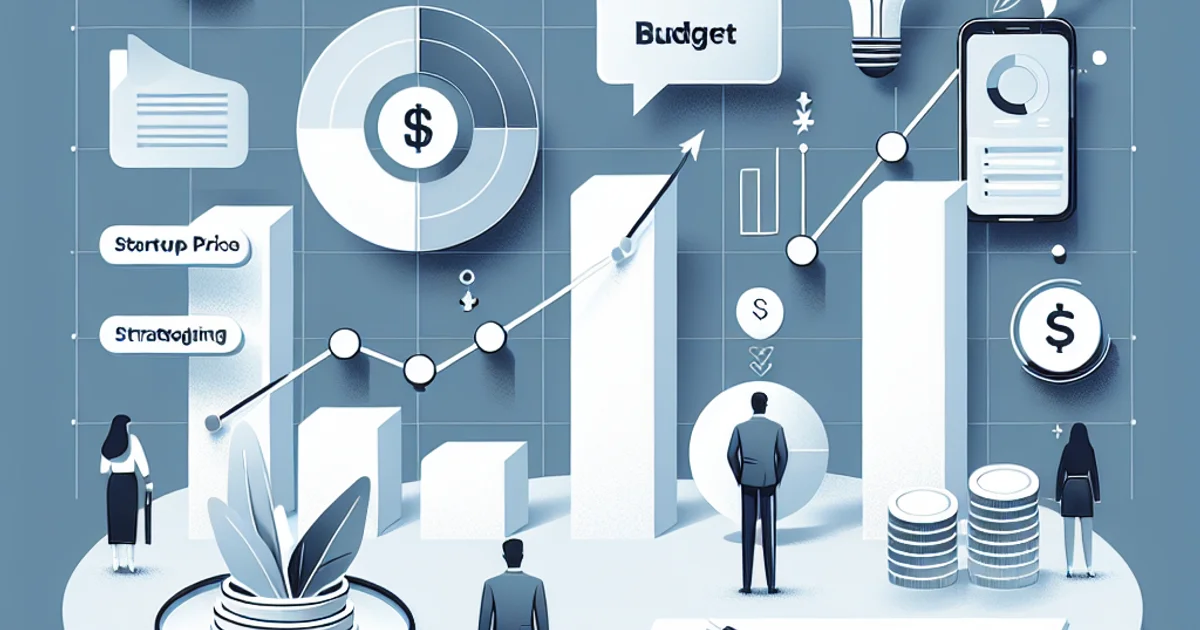
CRM pricing strategies for startups: Finding the right fit
For entrepreneurs and small teams embarking on the journey of implementing a Customer Relationship Management (CRM) system, the task of determining the most suitable pricing strategy can be daunting. This guide is tailored to assist startups in navigating CRM pricing strategies effectively, ensuring that they not only meet budget constraints but also align with business goals. By focusing on practical steps and real-world scenarios, this guide aims to provide clarity and actionable insights.
The practical framework
1. Define your CRM requirements: Before diving into pricing models, it's crucial to understand what specific functionalities your startup needs. Are you looking for basic contact management, or do you need advanced analytics and automation? This step helps in narrowing down options and avoiding unnecessary costs.
2. Research available CRM options: Explore different CRM solutions available in the market. Look for those that specifically cater to startups or offer tiered pricing models that can scale with your business.
3. Analyze pricing models: Understand various pricing structures, such as per-user, feature-based, or usage-based pricing. Each model has its implications on cost and scalability.
4. Consider cost-effective CRM solutions: Identify CRM solutions that offer essential features at an affordable price. These might be lesser-known tools that are perfect for startups due to their pricing flexibility.
5. Evaluate hidden costs: Be aware of additional costs such as onboarding, support, and customization fees. These can significantly impact your overall budget.
6. Plan for scalability: Ensure that the CRM you choose can grow with your business without causing financial strain. Look for flexible pricing structures that allow for easy upgrades.
7. Negotiate terms: Once you've shortlisted your choices, don't hesitate to negotiate with vendors. Many are willing to offer discounts or tailor plans to suit your startup's needs.
8. Implement and monitor: After selecting a CRM, implement it and continuously monitor its performance against your business objectives. Adjustments can be made as your needs evolve.
Example scenarios
Scenario 1: A tech startup with a team of five is in the early stages of product development. They require a CRM to manage customer feedback and potential leads but have a limited budget. Opting for a feature-based pricing model, they select a CRM that offers essential features with the option to add more as needed. This allows them to stay within budget while ensuring scalability as the company grows.
Scenario 2: A small marketing agency is experiencing rapid growth. With a team of ten, they need a CRM that can offer detailed analytics and integration with existing marketing tools. They choose a per-user pricing model CRM, which provides the necessary analytics features. Although slightly more expensive per-user, the insights gained justify the investment as it leads to better client retention and new client acquisition.
Common mistakes
1. Overlooking scalability: Startups often choose a CRM based solely on current needs without considering future growth. This can lead to costly migrations later. Always choose a CRM with scalable plans.
2. Ignoring hidden costs: Many startups get caught off guard by additional fees for support, training, or customization. It's essential to ask vendors about all potential costs upfront.
3. Choosing based on price alone: Selecting the cheapest option can lead to inadequate features, which may hamper growth. Balance cost with functionality and future needs.
4. Failure to negotiate: Startups often accept the first price offered. Many vendors are open to negotiation, especially for startups, so don't hesitate to ask for a better deal.
5. Neglecting team input: Implementing a CRM without consulting the team can result in poor adoption. Ensure the chosen CRM meets the team's needs and is user-friendly.
Options & trade-offs
Per-user pricing: Ideal for small teams where each member needs individual access. However, costs can escalate as the team grows.
Feature-based pricing: Suitable for startups with specific feature needs. It allows for controlled spending but may limit access to useful features unless upgraded.
Flat-rate pricing: Provides predictability in budgeting. Best for startups with stable and predictable needs, but can be costly if underutilized.
Timeline & effort
Implementing a CRM typically involves a phased approach. Initially, expect a setup phase of 1-2 weeks, during which the system is configured to meet basic requirements. Training and initial usage may take another 2-4 weeks, depending on team size and complexity. Continuous evaluation and optimization should be ongoing to ensure the CRM evolves with the business.
Costs
CRM costs can vary widely. Basic CRM solutions may start at $10 per user per month, while more comprehensive systems can range from $50 to $150 per user per month. Factors influencing costs include the number of users, required features, and additional service fees. Negotiations and promotions can also impact final pricing.
Wrap-up & next steps
To successfully implement a CRM pricing strategy for your startup, follow these steps:
- Define your CRM requirements clearly.
- Research and analyze different CRM pricing models.
- Consider cost-effective solutions that offer essential features.
- Plan for scalability and negotiate terms with vendors.
- Implement the CRM and monitor its effectiveness regularly.
For more insights and to explore CRM features that suit your startup, visit Foundbase.
Frequently asked questions
Q: How can startups choose the right CRM pricing strategy?
Startups should carefully analyze their budget and needs. It's crucial to select a CRM solution that offers flexible pricing plans and can scale with the business. Consider options for free trials or startup discounts as well.
Q: What are the most common mistakes startups make with CRM pricing strategies?
A common mistake is choosing the cheapest option without considering necessary features. Startups should also avoid underestimating hidden costs, such as training and maintenance, which can impact the budget in the long run.
Q: How can CRM help startups maximize their budget?
CRM systems can help startups improve customer management and increase sales by providing valuable insights into customer behavior. This enables startups to optimize their marketing efforts and reduce unnecessary expenses.
Q: Is it better for startups to choose a cloud-based CRM solution?
Yes, cloud-based CRM solutions are often more cost-effective for startups as they don't require significant upfront investments in hardware. They also offer flexibility and scalability, which are ideal for growing businesses.
Related guides
Crm customer feedback integration: enhance your strategy
Discover how to integrate customer feedback into your CRM system to enhance customer satisfaction and refine your strategy.
Rasmus Rowbotham
crm adoption strategies for startups: success
Unlock the secrets to effective crm adoption strategies for startups. Overcome challenges and implement successfully with our expert guide.
Rasmus Rowbotham
crm for remote startups: boost your sales
Learn how crm for remote startups can optimize your team's collaboration and sales. Get insights into the best tools and strategies.
Rasmus Rowbotham