crm gamification for startups: boost engagement
Discover how crm gamification can boost engagement in your startup. Learn strategies to enhance usage today.

Rasmus Rowbotham
Founder of Foundbase and experienced entrepreneur with over 10 years of experience in building and scaling businesses.
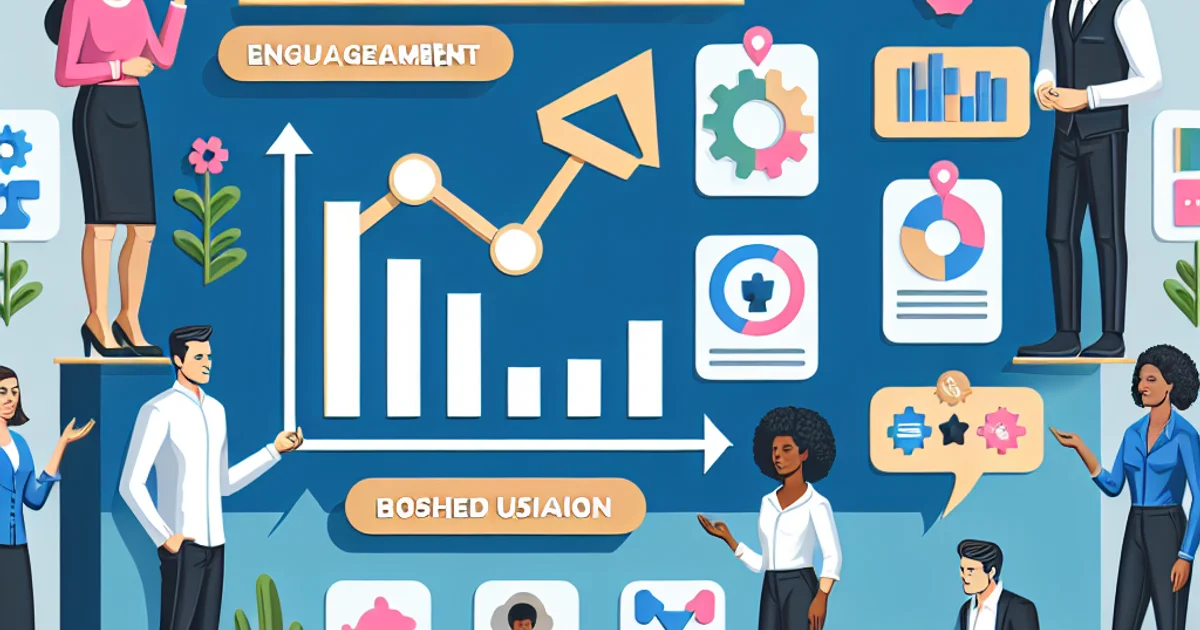
Unlocking CRM Gamification for Startups: A Practical Guide
For startups striving to maximize their CRM potential, gamification presents an intriguing opportunity. This guide is crafted for founders and small teams looking to enhance user engagement within their CRM systems. Rather than being a broad overview, this guide delves deep into the nuances of implementing CRM gamification specifically for startups.
The Practical Framework
Implementing gamification in CRM isn't just about adding points and badges. It's a strategic process that can significantly boost user adoption and engagement. Here's a step-by-step workflow to make it a reality:
- Define Clear Objectives: Start by identifying what you aim to achieve with gamification. Is it increased CRM usage, better data quality, or improved sales performance? Clear goals will guide your entire process.
- Understand Your Users: Know who your CRM users are. What motivates them? Understanding user personas is crucial for designing effective gamification strategies.
- Design Engaging Challenges: Create tasks and challenges that align with your objectives. These should be engaging but also realistic for your team size and resources.
- Incorporate Feedback Loops: Provide instant feedback to users through points, badges, and leaderboards. This immediate recognition helps reinforce positive behaviors.
- Test and Iterate: Launch a pilot version of your gamification features. Gather feedback and analyze the data to refine and improve the system.
- Integrate with Existing Systems: Ensure gamification elements are seamlessly integrated into your CRM, making them a natural part of daily workflows.
- Monitor and Adapt: Continuously monitor the impact of gamification on user behavior and adapt strategies as needed to maintain engagement.
Example Scenarios
Consider a startup with a team of five, where the primary objective is to improve CRM data quality. By introducing a leaderboard tracking data entry accuracy, team members become more meticulous about inputting complete and correct information.
In another scenario, a startup with a focus on boosting sales performance might implement a challenge where sales reps earn badges for closing deals within a set timeframe. This not only motivates timely follow-ups but also fosters a healthy competitive spirit.
Common Mistakes
- Lack of Clear Objectives: Without specific goals, gamification efforts can become directionless. Always start with a clear purpose.
- Overcomplicating the System: Complex gamification elements can confuse users. Keep it simple and intuitive.
- Ignoring User Feedback: Failing to listen to user feedback can lead to disengagement. Regularly seek input and make adjustments.
- Focusing Solely on Rewards: Rewards should complement, not replace, intrinsic motivation. Ensure tasks remain meaningful.
- One-Size-Fits-All Approach: Different users have different motivations. Tailor gamification elements to suit varied personas.
- Inconsistent Updates: Stagnant systems lose appeal. Regularly update and refresh challenges to maintain interest.
- Neglecting Integration: Gamification elements that don't align with existing CRM workflows can become disruptive. Seamless integration is key.
Options & Trade-offs
Startups have several approaches to consider when implementing gamification:
- Off-the-Shelf Solutions: These are quick to implement but may not align perfectly with specific needs. Best for teams looking for a fast start.
- Custom Development: Offers tailored solutions but requires more time and resources. Ideal for startups with unique requirements.
- Hybrid Approach: Combining off-the-shelf elements with custom features can offer a balance between speed and customization.
Timeline & Effort
Implementing gamification in CRM can be broken down into phases:
- Phase 1 - Planning (2-4 weeks): Define objectives, understand users, and design initial challenges.
- Phase 2 - Development (4-6 weeks): Develop gamification elements and integrate with CRM. Expect bottlenecks around resource allocation.
- Phase 3 - Testing (2-3 weeks): Pilot the system and gather user feedback. Adjust based on findings.
- Phase 4 - Launch and Monitor (ongoing): Roll out to all users and continuously monitor engagement. Update elements periodically.
Costs
Cost drivers include the complexity of gamification elements and the need for custom development. Typical costs can range from minimal (for simple off-the-shelf solutions) to substantial (for complex custom systems). Factors such as team size and available resources will influence these costs.
Wrap-up & Next Steps
- Start by defining clear goals for gamification in your CRM.
- Understand your users and tailor challenges to their motivations.
- Choose an approach that aligns with your startup's needs and resources.
- Monitor the impact and be ready to adapt as necessary.
- Explore further CRM optimization strategies at foundbase.io.
Frequently asked questions
Q: How can CRM gamification boost engagement in a startup?
CRM gamification can boost engagement by making the use of CRM systems more interactive and motivating. By incorporating game elements such as points, badges, and competitions, employees can become more motivated to use the system regularly.
Q: What strategies can startups use to implement gamification in their CRM systems?
Startups can begin by identifying the most relevant game elements for their team. This can include setting goals and rewards, creating a leaderboard to encourage healthy competition, and offering incentives for reaching specific milestones.
Q: Are there any risks associated with using gamification in CRM for startups?
Yes, there are risks such as focusing too much on rewards instead of the quality of work. It's important to balance game elements with the company's overall goals and ensure that gamification does not distract from core tasks.
Related guides
crm for sales team collaboration: boost efficiency
Explore how crm for sales team collaboration can optimize your business efficiency. Gain insights into top tools and solutions.
Rasmus Rowbotham
crm for remote sales teams: boost collaboration
Discover how crm for remote sales teams can transform your sales strategy. Learn about top tools and methods to boost collaboration.
Rasmus Rowbotham
crm implementation roadmap for startups: expert guide
Learn how to effectively implement CRM in your startup. This guide covers adoption strategies, onboarding best practices, and success factors for small teams.
Rasmus Rowbotham